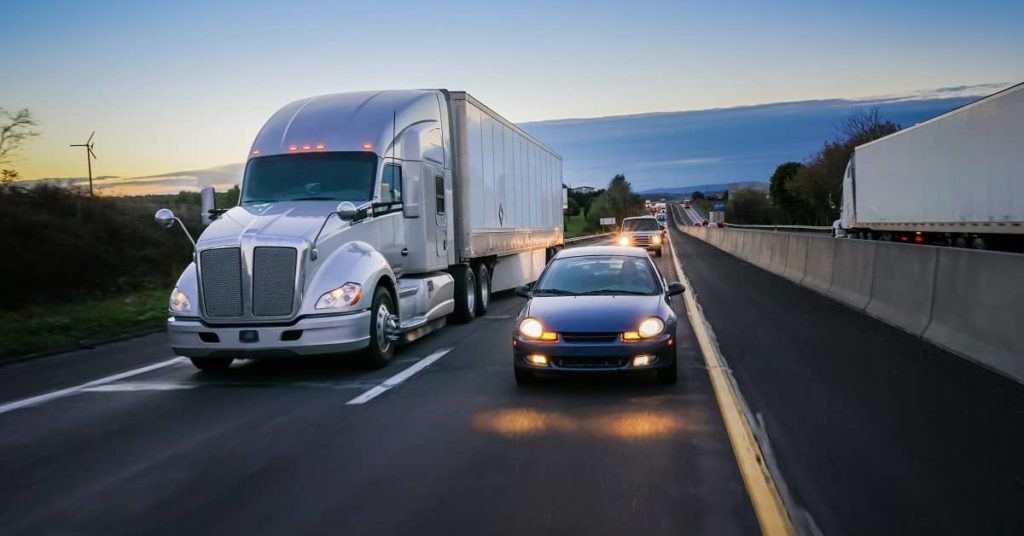

A hit-and-run car accident can shake anyone’s life up in seconds, and it all happens out of nowhere. One moment, you’re simply heading home or leaving a parking lot, and the next, another driver hits your vehicle and quickly leaves the scene. To most, this is a shocking experience and it is only natural to be left with questions. Many hit and run accidents leave victims with injuries and not knowing where to turn.
The most urgent question is usually: what do I do next? This guide walks you through the critical steps, your legal options, and how to protect yourself in the aftermath of a hit and run accident.
Some context: In the U.S., approximately 11.4% of injury crashes in 2022 involved hit-and-run incidents (Pew Research Center ). In Canada, while precise hit-and-run rates are harder to isolate, 33% of Canadians will be involved in a car accident at some point in their lives, according to Transport Canada’s collision statistics.
Considering this, it is advisable to carefully follow each step, as your subsequent actions may significantly influence the progression of your case.
Key Takeaways
- Report the incident right away and obtain a police report number.
- Collect key details, including the licence plate if possible.
- Prioritize medical care, health comes first.
- Preserve surveillance footage and other relevant evidence.
- Take photographs of any damage to your vehicle or paint transfer from the other vehicle.
- Stay calm and ensure your own safety at the scene.
- Speak with witnesses and record their statements and contact info.
- Insurance claims can be complex, but accident benefits and enhanced benefits may be available.
- Failing to report an incident can result in higher insurance costs.
- Cooperate with law enforcement to support a smooth investigation.
- Guidance from personal injury lawyers can make a major difference in seeking compensation.
What to Do in a Hit and Run Accident: Immediate Steps
When you’re involved in a hit-and-run car accident, the seconds after can feel blurry, and your number one priority is your safety. If possible, pull to the side of the road and turn on hazard lights. Call emergency services if anyone is hurt. It goes without saying that injured persons deserve immediate care.
Once safe, focus on gathering evidence. Write down the licence plate number if you saw it. If not, note the colour, make, or even damage to the other vehicle. Small details help police and insurance companies later. Take photos of the scene, your car, property damage, and your injuries if visible.
Speak with witnesses if they are present. Ask for their names and numbers. Someone else may have caught the driver’s license plate or even video footage. Remember, nearby businesses may have video footage as well from their cameras.
Car Accident vs. Hit and Run: Key Differences
Not every car accident ends with the other driver fleeing. In regular car accident cases, drivers exchange information, insurance policies, and driver’s licenses. A hit and run is different because the driver involved vanishes.
That decision by the guilty party creates unique challenges. Without identifying the at fault driver, insurance claims become more complex. The absence of a police report filed by either party also affects how liability is determined.
Legal Consequences for a Hit and Run Driver in Canada
Canadian law takes hit-and-run cases seriously. Under the Motor Vehicle Act and the Highway Traffic Act, leaving the scene of a collision is a severe offence. Penalties depend on the extent of the damage and whether injuries are involved.
- For property damage: drivers may face fines, demerit points, and licence suspension.
- For injuries: criminal charges are possible, with penalties including significant fines and imprisonment.
- For death: fleeing the scene can result in charges under the Criminal Code, with penalties up to life imprisonment.
These laws exist to ensure accountability and protect accident victims.
Rights and Recovery Options for Hit and Run Victims
Victims are not without recourse. Even if the other driver is never identified, most auto insurance policies provide accident benefits. These may cover medical treatment, lost income, and rehabilitation expenses such as physiotherapy or chiropractic care.
In provinces with enhanced accident benefits, victims may qualify for additional support, such as long-term care or expanded rehabilitation services. If the at-fault driver is later identified, you may also pursue compensation directly from them through a civil lawsuit.
Even if the at-fault driver is never found, you may still have a claim under the Unidentified Driver provisions of most Ontario insurance policies. This means you can be compensated for your injuries and income loss beyond the Accident Benefits available through your own car insurance.
Canadian Hit-And-Run Laws Overview
Canadian traffic laws make clear that drivers must:
- Stop at the scene.
- Provide their name, address, and insurance details.
- Offer assistance to anyone injured.
Failure to do so can result in criminal charges, a permanent record, and severe penalties, even if no one was physically harmed. Leaving the scene after causing property damage is still considered a punishable offence under both provincial traffic acts and the Criminal Code.
Report a Hit and Run Accident to Police
One of the most important steps is to report the incident right away. A police report helps establish credibility and creates an official record of the incident. Without it, insurance coverage may be denied.
Give officers all the details you can recall: license plate, description of the vehicle, time, location, and any witnesses. Even partial information can help. Always ask for a police report number. You’ll need this for your accident claim.
Call the Police After a Hit and Run
Dialing local police or emergency services should be your top priority if anyone is injured, since immediate medical attention can be life-saving. Even when the incident involves only minor property damage, making that call ensures the event is officially logged.
A responding officer can document the scene, take photographs, and begin gathering evidence such as witness statements or surveillance footage from nearby businesses. Police will also advise you if you need to visit a collision reporting centre.
Providing them with relevant information early on (like vehicle descriptions, the direction the driver fled, or any partial license plate details) can make the difference in whether the at-fault party is ever identified.
Collision Reporting Centre: When and How to File a Report
Many cities have dedicated centres where you must bring your vehicle after a collision. Staff will inspect damage, record the incident, and issue an official report. This is vital for navigating insurance claims, especially if the other driver involved has not been identified.
Collect Medical Evidence After a Hit and Run Accident
Injuries from a hit and run may not always be obvious right away. Sometimes adrenaline masks the pain, or symptoms such as stiffness, dizziness, or internal bleeding develop hours or even days later. That’s why it is essential to get a full medical evaluation immediately, even if you feel fine at first. A doctor can document hidden injuries, order diagnostic tests, and provide an official record that ties your injuries directly to the accident. Medical records are a cornerstone of personal injury law and can make or break your claim.
In addition to seeking initial treatment, keep a detailed log of every expense connected to your recovery. This includes hospital bills, medication receipts, follow-up visits, and costs for ongoing care like physiotherapy, chiropractic adjustments, or mental health counselling.
These records not only support your accident claim but also demonstrate the full financial burden the incident has placed on your life. The clearer your documentation, the stronger your case for fair compensation.
Report to Your Insurance Company
After addressing immediate medical needs, contact your insurance company as quickly as possible. Policies typically require timely reporting, and waiting too long can result in reduced or voided coverage. When you reach out, have your police report number, photos of the accident scene, and any other supporting details ready. This ensures your report is thorough and prevents confusion later.
Quick reporting also gives your insurer more time to begin their own investigation. Even if you don’t yet have every detail, showing that you acted promptly demonstrates good faith and compliance with your policy terms. This step lays the groundwork for a smoother claims process.
How to Start a Hit and Run Claim with Your Insurance
The claims process officially begins when you call your insurer’s claims department. During this call, explain exactly what happened and provide every piece of information you’ve collected. Share the police report, photos of the scene, witness contact details, and anything else that helps establish your account of the accident.
Providing this information early not only speeds up the processing but also demonstrates to the insurer that your claim is legitimate and well-documented. The stronger your initial report, the easier it will be for the company to evaluate coverage and move forward with resolving your case.
How to File a Claim for a Hit and Run
Once your claim is opened, an insurance adjuster will reach out to gather further details. They may request information such as:
- The licence plate number of the other vehicle (if known)
- Photos of your car and any visible damage
- Medical documentation of your injuries
- Witness statements or contact details
- The official police report number
Filing a claim requires both accuracy and patience. Any gaps in information, inconsistencies, or missing documents can slow the process or even lead to disputes.
To strengthen your claim:
- Review your forms carefully before submitting
- Ensure all details align with your police report and medical records
- Keep your paperwork organized in one place
- Provide updates promptly if new evidence becomes available
Thorough, consistent documentation helps tell a clear story, reduces delays, and lowers the risk of complications later in the process.
Claims Process for Hit and Run Accidents
The claims process after a hit-and-run can feel complicated. Insurance adjusters will carefully assess the situation by reviewing the damage, calculating your medical costs, and verifying the benefits applicable under your policy. If you carry collision coverage, repairs to your car may be covered even if the driver who caused the crash is never found.
You may also qualify for enhanced accident benefits, which extend beyond car repairs and cover additional expenses. These benefits can cover lost wages, rehabilitation programs, and, in some cases, long-term care if the injuries are severe and require ongoing treatment. Knowing what your policy provides and asking the right questions can make a significant difference in the level of support you receive.
Preserve Surveillance Footage
When it comes to evidence, time is critical. Security camera footage from businesses, homes, or parking lots can be invaluable in identifying the fleeing vehicle; however, most systems automatically erase recordings within a few days. Acting quickly is your best chance of capturing this evidence before it disappears. Visit the area of the accident and ask property owners if they can provide copies of the recordings.
As mentioned, surveillance footage can reveal details like the colour, model, or plate number of the other vehicle. This not only strengthens your insurance claim but may also assist the police in locating the responsible driver. Early action significantly increases the chances of holding the at-fault party accountable.
Work with Law Enforcement Officials
Police rely heavily on victims and witnesses to build a hit and run case. Sharing updates such as a partial plate number, additional video evidence, or new witness information can move the investigation forward. Staying in touch with investigators shows that you’re actively participating and committed to finding the responsible driver.
Your cooperation could be a key factor in determining whether the at-fault party is identified. Law enforcement resources are often stretched, but when victims provide consistent updates, officers can pursue leads more effectively. This teamwork increases the chances of achieving justice.
Common Challenges and Implications of Hit and Run Accidents
Unfortunately, this type of accident presents unique challenges. As we explained above, given that the at-fault driver is often unknown, proving liability can be far more challenging than in a typical car accident. Insurance claims may take longer to resolve, especially if coverage disputes arise or additional investigations are required.
Victims should prepare for a more protracted process with insurers and potentially slower compensation. The emotional impact can also be significant.
Not knowing who caused the harm can leave victims feeling unsettled and frustrated. Besides the financial stress, that uncertainty can make recovery feel even more overwhelming. Reaching out to professionals (whether legal, medical, or emotional) can significantly help alleviate the burden, offering clarity and reassurance to support your journey forward.
Common Mistakes to Avoid After a Hit-and-Run Incident
- Failing to report the incident immediately.
- Forgetting to ask for a police report number.
- Overlooking medical care because injuries seem minor.
- Not documenting property damage with photos.
- Waiting too long to notify your insurance company.
- Assuming accident benefits apply automatically.
Avoiding these errors ensures smoother insurance claims and stronger legal options in the future.
Contact Our Accident Lawyer for a Consultation
Personal injury law can feel like a maze. Navigating insurance, accident benefits, and potential lawsuits is complex, especially in car accident cases where the at-fault driver is on the run. Speaking with a lawyer from our team early on helps you understand your rights and what to do next, including collecting evidence and documenting as much detail as possible about the incident.
We will review your medical expenses, lost income, and rehabilitation expenses, explain how your insurance coverage and accident benefits apply when there’s an unidentified driver, and outline realistic options for compensation. An experienced lawyer can also assess settlement strategy, timelines, and the risk of the at-fault driver ending up with a criminal record once identified.
When you’re ready to move forward, professional help ensures no detail is overlooked and your claim is positioned for the best possible outcome.